Plumping Trends

Volufiline vs. Nature: Understanding What Really Plumps and Nourishes Your Skin
In the ever-evolving world of skincare, it’s easy to get pulled in by trending ingredients promising fuller, smoother, more youthful skin. One of those buzzy names is Volufiline—often marketed as a “natural” alternative to cosmetic procedures for plumping areas like the face or lips. But how does it actually work, and how does it compare to truly plant-based ingredients like hyaluronic acid, rosehip oil, and aloe?
Let’s break it down in a way that’s honest, practical, and rooted in real formulation knowledge.
What Is Volufiline?

Volufiline is a branded cosmetic ingredient developed by Sederma, a French company known for active ingredients used in commercial skincare.
It’s derived from a plant (Anemarrhena asphodeloides), but here’s the important distinction:
it’s not used in its natural form. It’s processed and standardized in a lab to create a specific compound that’s believed to:
Stimulate lipid (fat) storage in adipocytes (fat cells)
Create a temporary “plumping” or volumizing effect
Be used in targeted areas like cheeks, lips, or under-eyes
While that sounds appealing, results are inconsistent, and the mechanism is still debated. It’s also worth noting that Volufiline is typically found in mass-produced formulations, not handcrafted, plant-based skincare.
The Truth About “Plumping”
Here’s where things get real:
There are two very different kinds of “plumping” in skincare.
1. Structural Plumping (like Volufiline claims):
Attempts to change fat storage under the skin.
2. Hydration-Based Plumping (what natural ingredients do best):
Improves moisture retention, elasticity, and skin barrier health—making skin appear fuller, smoother, and more radiant.
The second option is not only safer but also more aligned with long-term skin health.
Natural Alternatives That Truly Support the Skin

Hyaluronic Acid:
Deep Hydration = Visible Fullness
Powerhouse humectant naturally found in the body.
Holds up to 1,000x its weight in water
Draws moisture into the skin
Instantly smooths and softens fine lines
Creates that “plump,” dewy look—without altering your skin structure
Why it matters:
Instead of forcing volume, it restores what your skin actually needs—hydration.

Rosehip Oil:
Nourishment + Elasticity
Essential fatty acids
Vitamins A and C
Natural antioxidants
Improve skin elasticity
Support collagen production
Repair and strengthen the skin barrier
Why it matters:
Healthy, resilient skin naturally appears fuller and more vibrant over time.
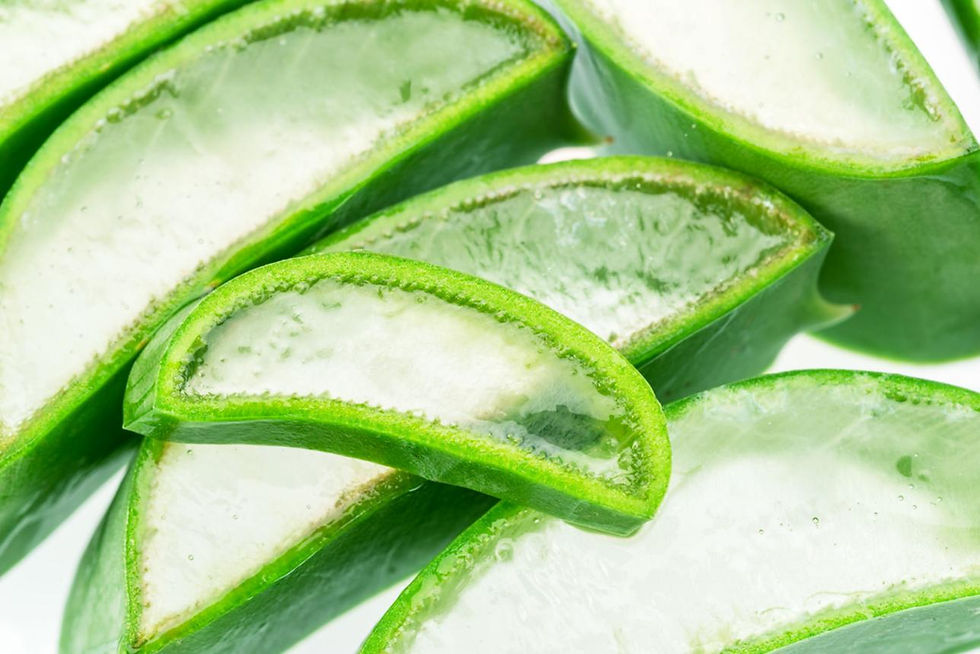
Aloe:
Calm, Hydrate, Restore
Deeply hydrating and soothing
Reduces inflammation
Supports skin healing
Why it matters:
Inflammation and dehydration can make skin look dull and deflated. Aloe helps bring it back to life—gently.
So… Which Is Better?
If your goal is a quick, targeted “plump,” ingredients like Volufiline may sound appealing—but they come with uncertainty and are often part of highly processed formulations.
If your goal is healthy, radiant, naturally full-looking skin, plant-based ingredients offer something more meaningful:
Hydration instead of forced volume
Nourishment instead of stimulation
Long-term skin health instead of short-term effect
Where B&W Formulations Stand
At BW Apothecary, we don’t formulate around trends, we formulate around function, integrity, and skin health.
That means choosing ingredients that:
Work with your skin, not against it
Support hydration, elasticity, and repair
Are thoughtfully selected—not mass-produced shortcuts
You may not see dramatic overnight “volume,” but you will see something better:
skin that looks alive, balanced, and genuinely cared for.
Final Thoughts
True beauty in skincare isn’t about forcing change, it’s about supporting your skin so it can thrive naturally.
Volufiline may promise volume, but nature already gives us powerful tools that hydrate, restore, and enhance what’s already there.
And in the long run? That’s what actually shows.
Sources
Vogue. “What Is Volufiline and Does It Really Work?”
New York Magazine (The Strategist). “What Is Volufiline, Explained by Experts”
Vogue Arabia. “Volufiline: The ‘Natural Filler’ Trend Explained”
Westlake Dermatology. “Volufiline: Does It Actually Work?”
National Center for Biotechnology Information (NCBI). Publications on hyaluronic acid and skin hydration
Cleveland Clinic. “Hyaluronic Acid: What It Is, Benefits, and Uses”
Harvard Health Publishing. “Moisturizers and Skin Hydration”
National Center for Biotechnology Information (NCBI). Studies on rosehip oil (Rosa canina) and skin regeneration
International Journal of Molecular Sciences. Research on plant oils and skin barrier function
National Center for Biotechnology Information (NCBI). Aloe vera in dermatological applications
Mayo Clinic. “Aloe Vera: Uses and Benefits”
Sederma. Technical documentation on Volufiline (INCI: Anemarrhena asphodeloides root extract)


Comments